3 ways to give your recruitment marketing a boost

We all know that innovation is crucial to a marketing plan that can change with the times, yet the idea can seem overwhelming when resources are already stretched thin. The good news is that innovation can be made bite-sized and possible even for recruiters with small marketing budgets. Sometimes even one new initiative can significantly improve performance across measures like brand image, reputation, reach, and engagement. With that in mind, here are three ideas that might add a nice boost to your marketing success.
1. Create and schedule videos for peak student engagement times
Video is undeniably one of the most effective tools available to content marketers: shows that 90% of customers say that product videos help them choose what to buy, and 64% say they are more likely to buy a product online after watching a video about it. But making great videos isn’t enough. For them to be effective, they must not only be housed on the right platforms (e.g., email, website, and social media) but timed to when students are most likely to be there. , a University of London college offering part-time and continuing education, schedules Facebook-delivered videos for times that students are most likely to preoccupied with education decisions – for example during part of the year when students are registering or applying to schools. Birkbeck also makes sure their videos are short and tailors them to students’ needs, such as information on how best to submit applications or on what prerequisites a course requires. What's nice about this strategy is that the video – designed precisely to be timely – is much more likely to reach target students at the right time than one posted on a website. It allows the college to reach people on the social platforms they already use – rather than wait for users to look for the information on their own. Devoting increased ad spend to such targeted and time-sensitive videos is also key to reaching the right audience on Facebook.
2. Ask students to help represent your brand
As digital analyst puts it, “Welcome to in which your brand is defined by those who experience it.”
This is particularly true for educators and recruiters. Students have particularly profound customer experiences because education is such a large determinant of career success and quality of life – and so they are integral parts of their school brand. It follows that happy students – at a time in which online peer-to-peer recommendations are highly influential – can be instrumental to convincing prospects to enroll at your school rather than another.
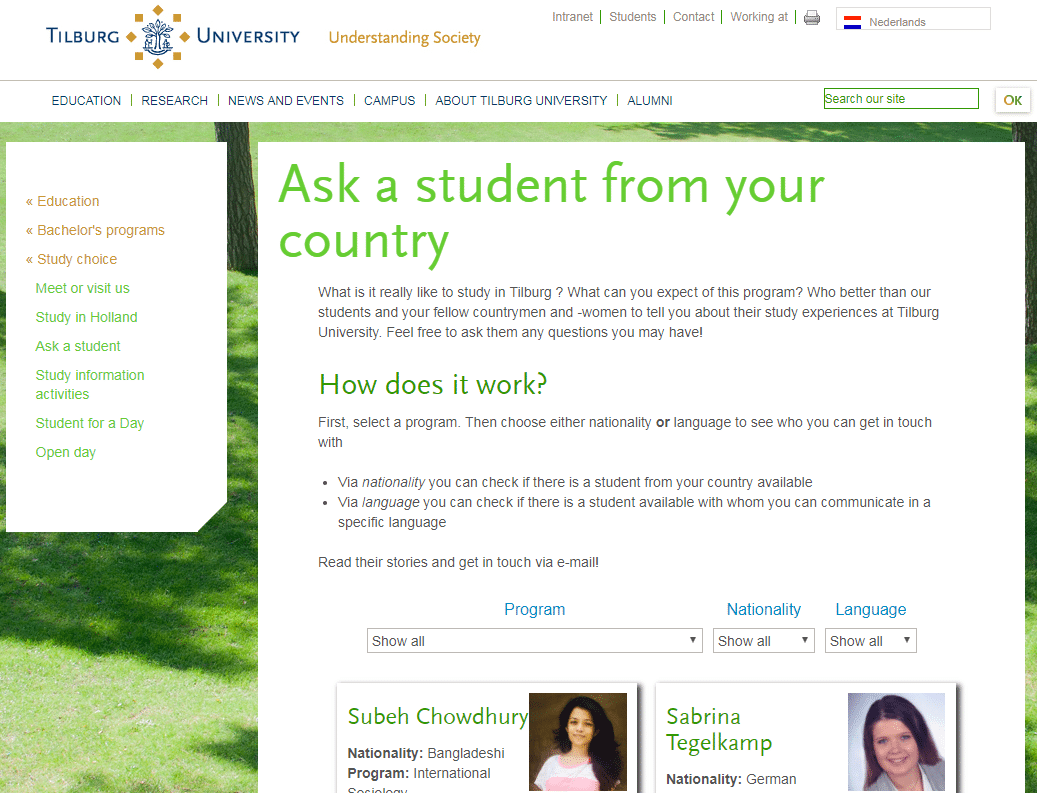
Developing a brand ambassador programme, in which successful and satisfied students or alumni – ideally with quality social media feeds and a significant follower base – represent your school is an idea that only gets smarter as time goes by. Such students can represent your school in a variety of ways, one of which is agreeing that their contact details be included in marketing emails so prospects can ask them questions directly. Many schools are also putting an “Ask a Student” button on their websites.
3. Ensure that social media is a real conversation
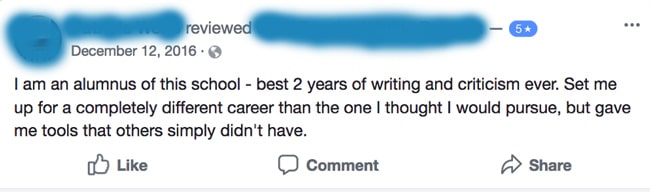
This is an era in which people are becoming as likely to trust online reviews as friends’ opinions. reports that,
“… 91% of people regularly or occasionally read online reviews, and 84% trust online reviews as much as a personal recommendation. And they make that decision quickly: 68% form an opinion after reading between one and six online reviews.”
Like reviews, comments on institutions’ social media feeds are free for all to see and followed by prospects. Students first look at what an institution claims about itself and promises, and then they check to see what other students say – do the comments support or undermine the institution’s message?
Because these comments are so important, responding thoughtfully to them is a must. It demonstrates that you are listening, that you care, and that you consider students’ opinions and suggestions in your operations.
Of course, not all comments will be positive. Adrienne Weissman, CMO at G2 Crowd, a peer-to-peer business review platform, points out that, "There is not one brand that has only happy customers. It's common sense. You cannot make everyone happy.” Engaging with negative feedback rather than ignoring it or deleting it shows confidence and authenticity to students who are well aware that 100% positive product/service reviews often indicate dishonesty and concealment on the part of a brand.